The Most Effective Use of Digital Screens in Live Experiences
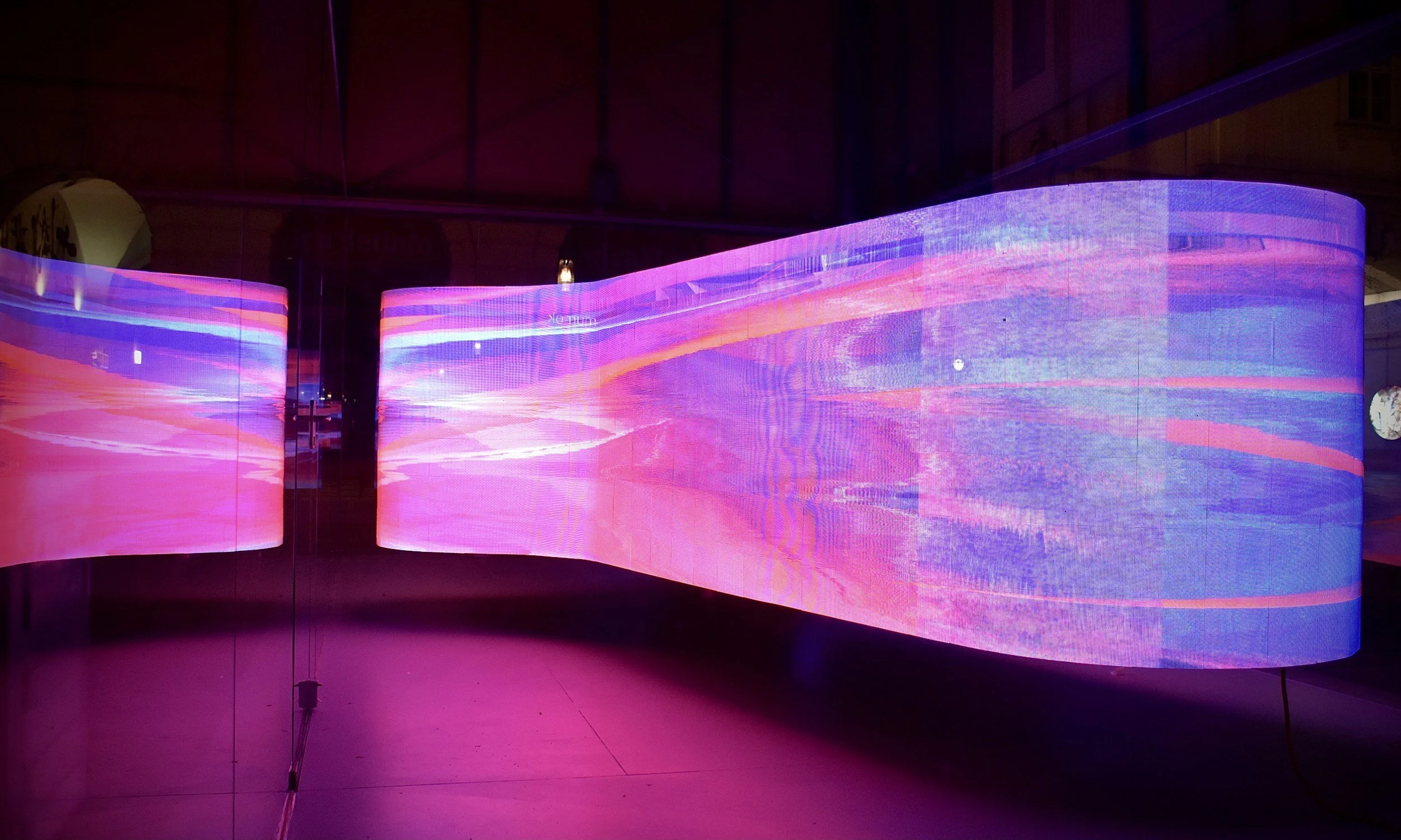
Digital screens have become an essential part of modern experiential marketing because brands increasingly rely on visual technology to capture attention within crowded and highly competitive live event environments. Across trade shows, conferences, branded activations, and public installations, digital displays now shape how audiences interact with physical spaces and absorb branded messaging during live experiences. While screens offer flexibility, movement, and immersive storytelling opportunities, the most successful experiential campaigns understand that technology alone does not automatically create engagement or emotional connection.
Many brands assume larger screens and constant movement will naturally produce stronger audience interaction during experiential activations. In reality, excessive digital stimulation often weakens the experience because audiences become visually overwhelmed by competing graphics, animations, and fragmented messaging displayed throughout the environment. When every surface within an activation demands attention simultaneously, guests struggle to focus on the actual purpose of the experience or connect meaningfully with the brand narrative being presented.
For this reason, effective experiential design uses digital screens strategically rather than excessively. The strongest activations position technology carefully within the audience journey so that every screen contributes intentionally to interaction, atmosphere, and storytelling without distracting from the larger experience itself.
Human Attention Naturally Responds to Movement and Visual Energy
One reason digital screens remain effective within live experiences is because human attention instinctively responds to movement, brightness, and changing visual stimuli, particularly within crowded spaces filled with competing distractions and environmental noise. At large-scale events, audiences move quickly between multiple activations while processing large amounts of information in short periods of time, which means brands often have only a few seconds to capture initial interest before attendees continue moving through the venue.
Motion graphics, cinematic visuals, and animated content create immediate visual contrast against static surroundings because the human eye naturally follows movement within physical environments. This explains why digital displays frequently attract attention faster than traditional signage or printed graphics during trade shows and experiential campaigns. A well-designed screen can establish atmosphere, communicate emotion, and introduce brand identity almost instantly within a fast-paced event setting.
However, attracting attention does not guarantee meaningful engagement or long-term audience retention. When screens display constant movement without structure or visual discipline, audiences eventually stop processing the information because excessive stimulation creates fatigue rather than curiosity. Guests become passive observers instead of active participants within the experience, which weakens emotional connection and reduces the effectiveness of the activation overall.
Successful experiential campaigns recognize this challenge and use movement selectively to guide audience attention naturally throughout the environment. Instead of overwhelming guests with endless digital stimulation, effective brands create moments of visual focus that encourage curiosity and support the larger narrative of the experience.
Interactive Digital Experiences Encourage Deeper Audience Participation
Digital screens become significantly more effective when they encourage participation rather than passive observation because experiential marketing depends heavily on audience interaction and emotional involvement within physical spaces. Modern consumers increasingly expect live experiences to feel immersive, responsive, and personalized rather than functioning as one-directional presentations controlled entirely by the brand itself.
Interactive technologies such as motion-responsive installations, touch-based displays, gamified experiences, and reactive projection systems create stronger engagement because audiences influence the experience directly through their own participation and movement. These technologies transform guests from spectators into active contributors within the environment, which creates a deeper sense of immersion and personal investment throughout the activation.
Research surrounding experiential engagement consistently demonstrates that audiences retain memories more effectively when they actively participate within an experience rather than observing passively from a distance. This principle explains why interactive digital systems often generate stronger emotional responses and higher levels of audience engagement during experiential campaigns. Participation increases attention, strengthens memory retention, and creates more meaningful connections between audiences and brands.
As a result, the most successful live activations integrate digital screens into the physical environment rather than treating them as isolated visual features disconnected from the surrounding experience. When technology feels naturally embedded within the audience journey, the activation becomes more cohesive, immersive, and emotionally engaging.
Simplicity Creates Clearer and More Effective Communication
One of the most common mistakes within experiential marketing occurs when brands attempt to communicate too much information simultaneously through digital screens and visual content systems. Because live event environments move quickly and audiences process information rapidly, overcrowded messaging often weakens communication instead of strengthening audience understanding and engagement.
Many activations fill screens with excessive text, layered animations, multiple brand messages, and competing visual effects because brands assume complexity creates excitement. In reality, audiences rarely stop long enough to process dense information within experiential environments filled with distractions and competing stimuli. Clear communication consistently performs more effectively because guests immediately understand the purpose of the activation and how they should engage with the experience itself.
Strong experiential campaigns therefore prioritize simplicity, clarity, and visual hierarchy throughout their digital content strategy. Concise messaging, focused visuals, and intentional pacing allow audiences to absorb information quickly without feeling overwhelmed or distracted by unnecessary visual complexity. This creates smoother audience movement throughout the activation while strengthening overall engagement with the brand narrative being communicated.
The same principle applies to screen placement within the physical environment itself. Screens positioned thoughtfully within natural audience sightlines help guide attention and support spatial flow throughout the experience. Poor placement, however, creates congestion, visual confusion, and disruption within the activation space, which weakens both interaction quality and audience immersion.
The Most Memorable Experiences Use Technology With Purpose and Restraint
As experiential marketing continues evolving alongside technological advancement, audiences have become increasingly familiar with digital displays, immersive media systems, and large-scale visual installations across retail, entertainment, and advertising environments. Because digital technology is now common within public spaces, screens alone no longer create excitement or distinguish a brand experience automatically.
What audiences remember most strongly is how effectively technology supports the emotional atmosphere and physical interaction within the activation itself. The most successful experiential campaigns understand that digital tools should strengthen human connection rather than dominate the environment completely. When audiences focus entirely on the technology, the emotional impact of the live experience often becomes weaker and less memorable.
Experiential marketing succeeds when every element within the environment works together cohesively to create immersion, clarity, and emotional engagement throughout the audience journey. Digital screens contribute most effectively when they guide attention naturally, support interaction intentionally, and reinforce the larger narrative without competing against the experience itself.
Ultimately, audiences rarely remember how many screens appeared within an activation or how advanced the technology seemed during the event. They remember how the environment felt, how naturally the experience unfolded around them, and how successfully the activation created genuine emotional connection within a live setting.