
Why Gamification Works in Experiential Marketing
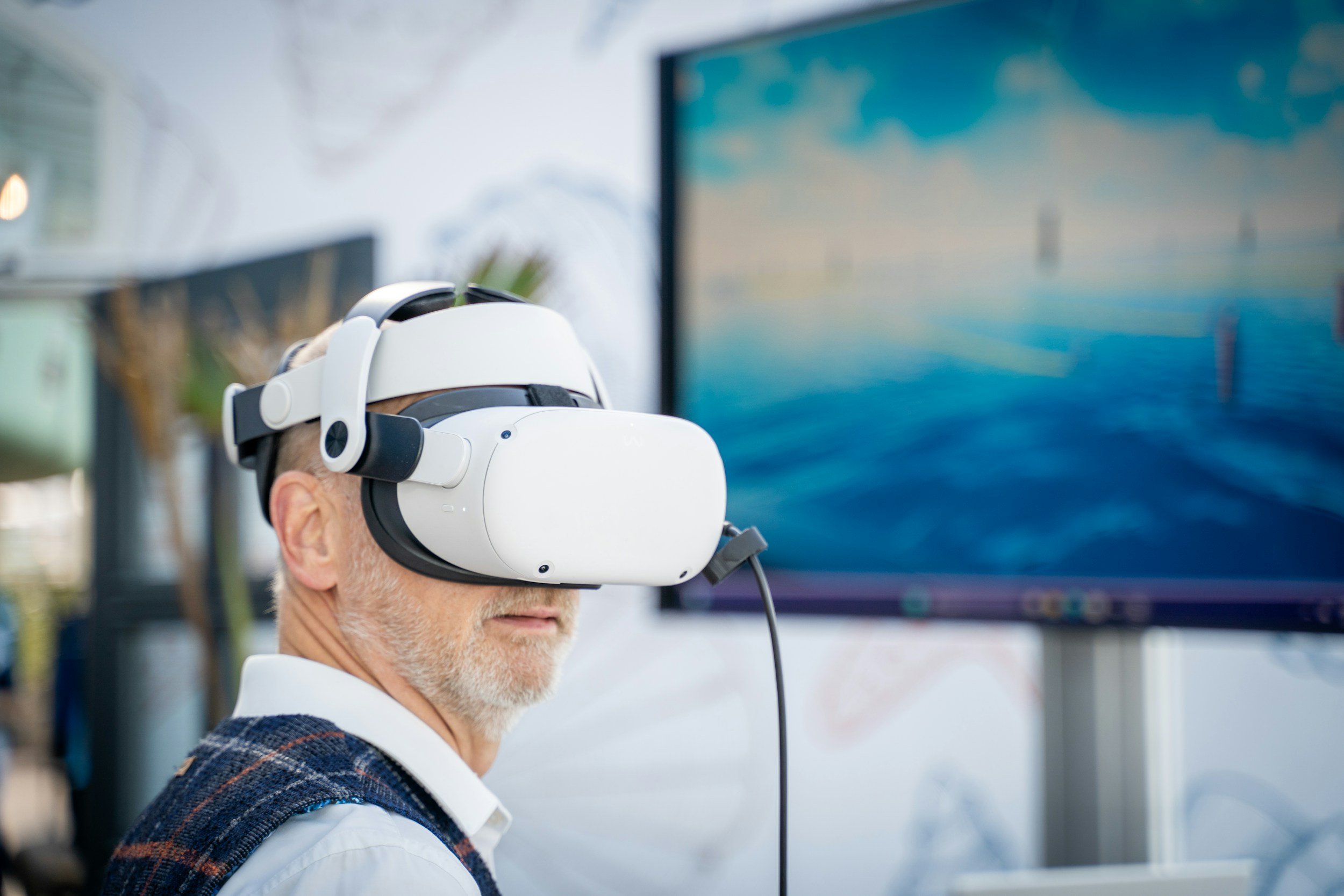
A visitor walks past dozens of booths at a trade show without stopping. Moments later, the same person joins a queue to participate in a branded challenge, spins a prize wheel, or competes in a quick interactive game. The products have not changed. The brand message remains the same. The difference is participation.
This simple observation explains why gamification has become a staple of experiential marketing. People are far more likely to engage with an experience when they have something to do rather than something to watch.
As brands compete for attention in increasingly crowded environments, gamification offers a way to transform marketing from a presentation into an activity.
People Remember What They Experience
Most marketing channels rely on exposure. Consumers see an advertisement, read a message, or watch a video. Experiential marketing operates differently because it invites participation. Gamification strengthens this advantage by encouraging visitors to become active contributors to the experience. Instead of simply hearing about a product, attendees interact with it, make decisions, solve challenges, or compete in activities connected to the brand. Think about a consumer electronics company launching a new device. A brochure might explain key features, but a challenge that requires visitors to test those features creates a stronger memory. The attendee is no longer receiving information. They are experiencing it. The more involved someone becomes, the more likely they are to remember both the activity and the brand behind it.
Gamification Gives People a Reason to Stop
One of the biggest challenges at live events is interruption. Attendees are surrounded by competing messages, competing brands, and competing demands on their attention. Games create a natural invitation to engage because they offer a clear objective. Visitors immediately understand what is expected of them. They know there is a task to complete, a score to achieve, or a reward to earn. Consider two activation spaces. One contains static product displays and informational signage. The other features an interactive challenge tied directly to the product experience. In most cases, attendees gravitate toward the activity because it offers immediate involvement. The game acts as an entry point into the brand experience.
Curiosity Is a Powerful Marketing Tool
Gamification works because people want to know what happens next. Can they beat the high score? Can they solve the challenge? Can they unlock the reward? Can they perform better than the previous participant? These questions create curiosity, which is one of the strongest drivers of engagement. Once curiosity is activated, visitors often spend more time with a brand than they originally intended. This is particularly valuable in experiential marketing where every additional minute creates another opportunity to communicate a message, demonstrate a product, or build a relationship.
Shared Experiences Create Stronger Brand Connections
Unlike many traditional forms of advertising, gamified experiences often become social activities. Visitors participate with friends. Colleagues compete against one another. Strangers gather to watch challenges unfold. Crowds form around moments of competition and achievement. A simple basketball shooting contest sponsored by a sports brand, for example, often attracts participants and spectators alike. Even individuals who never take part become exposed to the brand through the energy surrounding the experience. The activation becomes a shared moment rather than a one-way marketing message.
The Best Gamification Doesn't Feel Like Marketing
One reason consumers respond positively to gamified experiences is that they do not feel like traditional advertising. People generally attend events to explore, learn, connect, and be entertained. Activities that align with those motivations tend to generate stronger engagement than experiences focused solely on promotion. A travel company might create an interactive destination challenge. A food brand might develop a tasting competition. A technology company might build a problem-solving experience around product capabilities. In each case, the marketing message exists within the activity rather than being delivered separately from it. This distinction often makes the experience feel more authentic and less transactional.
Participation Creates Emotional Investment
When people invest effort into an activity, they become more emotionally connected to the outcome. Even a simple challenge can create feelings of excitement, anticipation, satisfaction, or achievement. These emotions become linked to the overall experience and, by extension, the brand. For marketers, this is important because emotional responses often influence brand perception more strongly than factual information alone. Consumers may forget specific details about an activation. They are more likely to remember how the experience made them feel.
Gamification Creates Moments Worth Sharing
Many experiential campaigns seek visibility beyond the event itself. Brands want conversations, photographs, videos, and social media engagement that extend the reach of an activation. Games naturally generate these moments. People celebrate victories, share scores, compare results, and document unique experiences. A challenge that creates excitement on-site often continues generating exposure online as participants share their experiences with wider audiences. This added visibility increases the value of the activation without requiring additional advertising spend.
Why Gamification Continues to Deliver Results
Gamification succeeds because it aligns with a simple truth about human behavior: people prefer participation over observation. When brands give audiences something meaningful to do, engagement becomes more natural. Visitors stay longer, interact more deeply, and develop stronger memories of the experience. The game itself may only last a few minutes, but the connection it creates between the audience and the brand often lasts much longer. In experiential marketing, attention is earned through involvement. Gamification remains effective because it transforms brand interactions from passive encounters into experiences people actively choose to join.
